"Not only are plastics polluting our oceans and waterways and killing marine life- it's in all of us and we can't escape consuming plastics"- Marco Lambertini, Director General of WWF International.
Ethics and Sustainability
Ethics are most commonly described as the difference in right from wrong, ethics are a persons morals and the decisions they make in situations based on their personal moral viewpoint.
Sustainability is based on how these actions and decisions we make as humans impact the rest of the world and the earth we live on, sustainability and ethics go hand in hand as without ethical sustainability, the world would not progress, we would be stuck in a time where people feel marginalized in society, and we as a human race we would be out of touch with nature. There are things in the world we must fight to protect as humans, people who's morals are against this do not understand the importance of non-human objects on this earth, without these elements the human race risks being diminished or becoming completely scarce.
Sustainability in the ocean
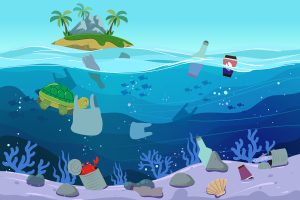
Marine debris is one of the oceans biggest current problems where the dangerously high level of booby nets and plastic in the ocean is becoming a life threatening reoccurrence for the oceanic wildlife. The largest factor to this problem is the fact the humans are careless and do not realise the detrimental effect this has on animals.
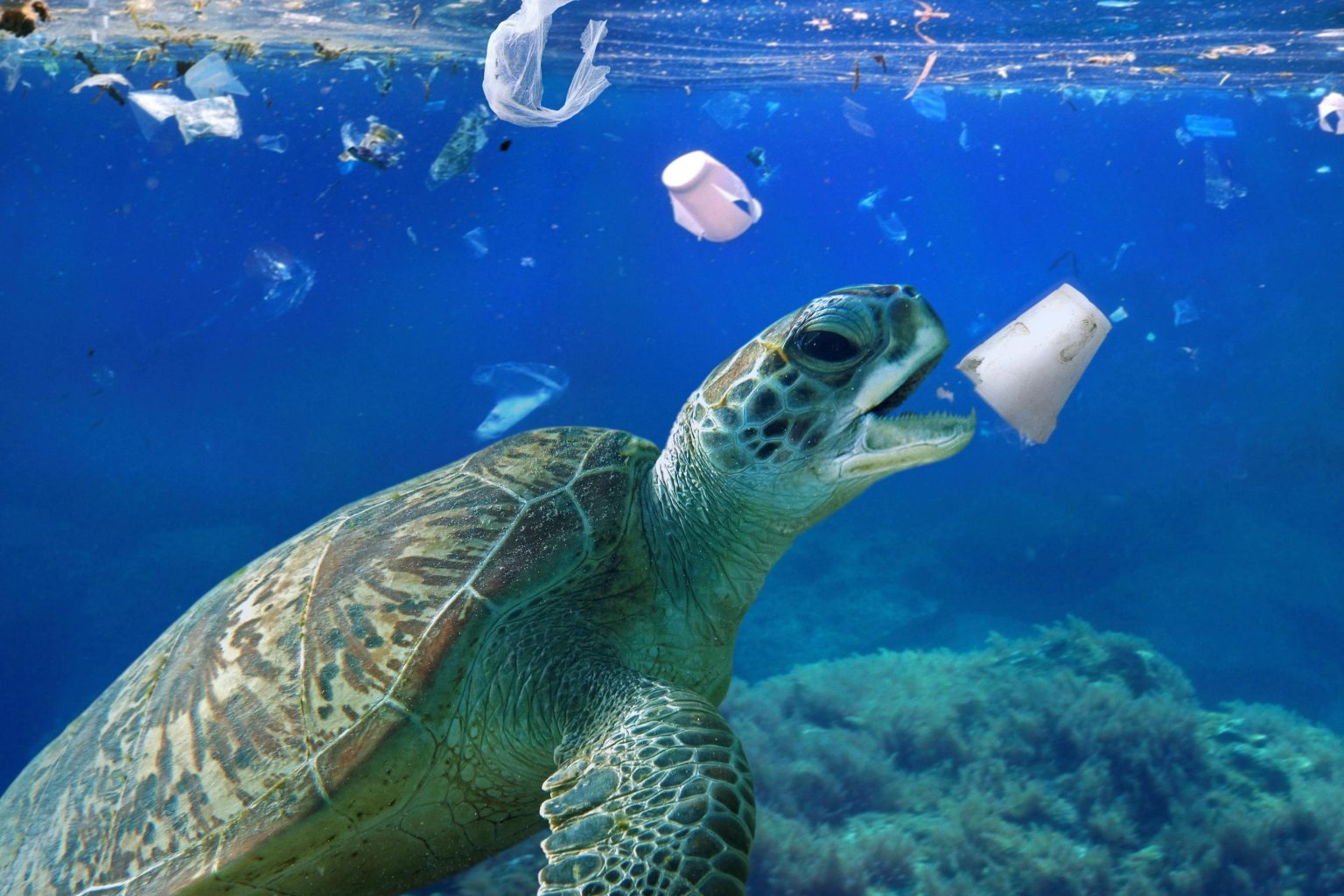
The main animals suffering from these heart breaking atrocities are seabirds, turtles and fish. "Marine debris in seabird nests increases the risk of plastic ingestion and the absorption of contaminants through the bird's digestive tract, with negative consequences for these organisms". Marine debris usually finds its way into the water from the shore, It can also come from doing activities on the beach like swimming and games, drugs and dumping rubbish in the the ocean. Human objects can be found everywhere and even lodged inside animals because they cannot sense what is food and what is not, these can be found from shorelines and small lakes and rivers to the mediterranean sea . Some of the most common waste items are plastic, nets, cotton swabs and food packets. Plastic items consistently rank among the most common type of marine debris globally. In fact, recent studies suggest that the 1982 figure of 8 million litter items entering the oceans every day may need to be multiplied hugely to calculate the present figure.
Another way the ocean is in danger is through climate change. The Ocean typically absorbs a percentage of yearly CO2 emissions made through human activity on land , this helps lessen the negative impacts of climate change. Climate change generates heat and the ocean helps humans sustain this as it absorbs almost almost more than 90% of it. Due to this help from the ocean, ocean heat is rising and is causing heatwaves at dangerous temperatures, putting the oceans eco system at risk.
“If we pollute the air, water and soil that keep us alive and well, and destroy the biodiversity that allows natural systems to function, no amount of money will save us.”
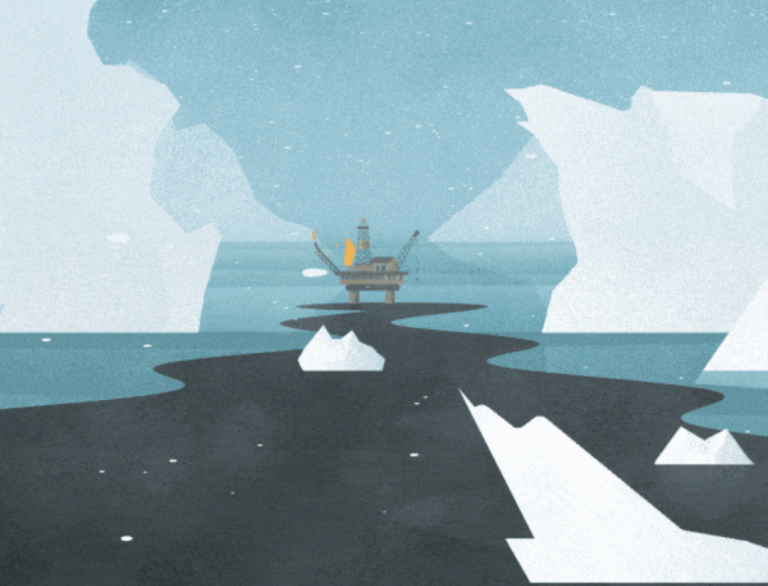
Turtles are predominantly my focus throughout this project although I will also be looking and other ocean wildlife , this is due to turtles being one of the largest targets of ocean pollution, plastic smells like food to them and as a result this can cause blockages within their digestive system, resulting in them starving and struggling to eat. Unfortunately this can lead to low and slow reproduction rates which could lead to them being an endangered species or even worse, extinct. The injury that comes from oil exposure is among the most obvious and direct effects on sea turtles. When an oil leak happens, it frequently covers marine animals' bodies and shells as it moves across the ocean's surface. This exposure is practically inevitable for turtles, whose everyday routines include coming to the surface to breathe and to bask in the sun. Crude oil is viscous and sticky, and it can coat a turtle's shell, making it less buoyant and less able to swim. Their mucous membranes, skin, and eyes may get extremely irritated by this covering, which could result in infections or other health problems.